
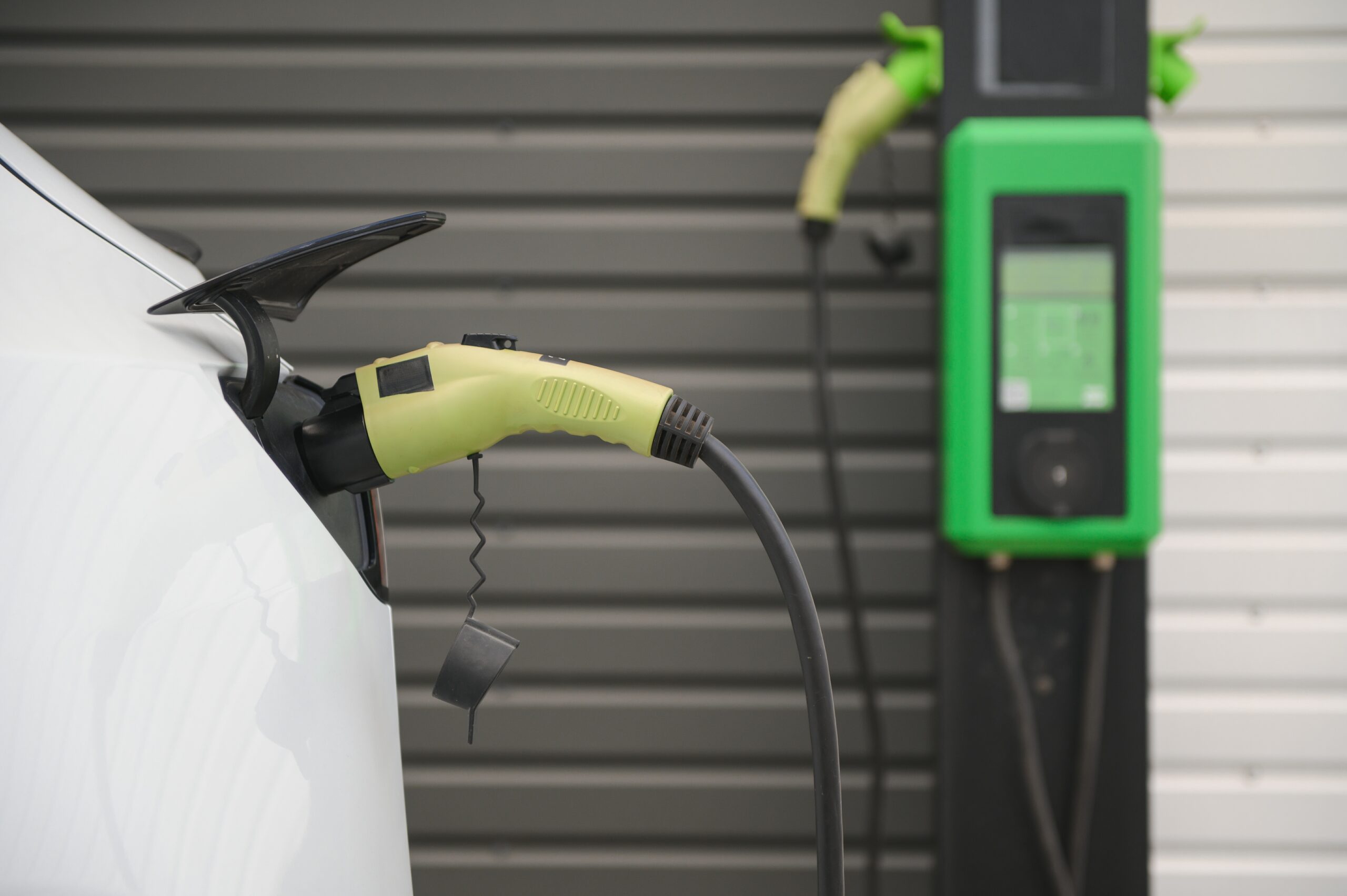
Over the last decade, electric vehicle adoption has exploded, turning what was once a niche curiosity into a mainstream reality. But here’s the catch: that quick 5-minute petrol station stop you were used to? It’s gone. EVs demand a more strategic approach to charging, one that matches how we actually use our cars.
The big question isn’t just “How do we charge EVs?”, it’s “How do we charge them right?” Over-provisioning with ultra-fast chargers everywhere wastes money and strains grids, while under-provisioning leaves drivers frustrated and adoption stalled. Rightsizing of EV charging installations is required.
Why the Old Gas Model Doesn’t Work Anymore
Battery tech is amazing, but it’s not magic. Most daily driving is predictable: a commute to work, errands around town, maybe a weekend getaway. The average Australian commute clocks in around 30–60 minutes one way (often 15–30 km each direction), meaning most people drive under 100 km a day.
DC fast charging (Level 3) sounds thrilling: blast 200+ km of range in 20–30 minutes. Perfect for road trips or quick top-ups. But for everyday use? It’s overkill. Frequent fast charging generates more heat, which can subtly accelerate battery wear over time (though modern EVs manage this well with built-in cooling). Slower AC charging (Level 1 or Level 2) is gentler on the battery, cheaper to install, and far easier on building electrical systems.
The real solution: Match the charger to the parking duration and user need.
Charging Solutions: Tailored for Every Building Type
Australia’s National Construction Code (NCC) has stepped up, with updates mandating facilities for EV charging in many new buildings. Classes like 2 (apartments), 3 (hotels/residential), 5 (offices), 6 (retail), and others now require dedicated distribution boards, charging control systems to manage demand, and a percentage of spaces allocated for EV charging from day one.
But compliance is just the baseline. Smart rightsizing goes further:
Commercial Offices & Long-Stay Parking (e.g., Class 5 buildings)
Cars sit for 6–10 hours during the workday. A standard Level 2 AC charger (7–22 kW) delivers plenty, often 40–100+ km of range in a single shift. Even a basic 240V outlet (Level 1) can top up enough for the commute home.
Why it wins: Low electrical demand, no grid strain, lower install costs, and better battery health. Load management tech can dynamically share power across stations, avoiding expensive upgrades.
Retail & Short-Stay Spots (e.g., Shopping Centres, Class 6)
Shoppers park for 1–3 hours. A mix works best: Level 2 AC for steady top-ups, or select DC fast chargers (50kW+) for those in a rush.
Dynamic load balancing lets chargers throttle down during peak building demand, keeping everything stable without massive infrastructure overhauls.
Transport Hubs & High-Turnover Areas
For areas like airports or highways DC fast charging shines. A quick 20–40 minute session adds 80% charge which is a real value for large trips. But it’s power-hungry, so it needs to paired with some serious electrical infrastructure.
The Ideal Solution? It’s All About Balance
There’s no magic “one-size-fits-all” charging installation that works for all buildings. The sweet spot comes from asking the right questions:
- How long do vehicles typically park here?
- What’s the expected daily mileage?
- How much electrical capacity does the building have (or can afford to upgrade)?
- What are future growth projections for EV uptake?
- What are the site constraints?
- What are the appropriate safety measures?
Rightsizing means balancing:
- User convenience → Fast enough to meet needs without excess.
- Cost & feasibility → Avoid overbuilding infrastructure.
- Electrical Infrastructure → Favor slower AC where possible.
Managing these will allow for a setup that’s fit-for-purpose, future-proof, and actually gets used. Developers save upfront, operators reduce ongoing costs, drivers stay happy.
As EVs become the norm, the winners won’t be the ones with the fastest chargers everywhere. They’ll be the ones who charge smartly – rightsized, reliable, and perfectly matched to real life.

Shri Sapre
About the Author
Shri is a Project Lead at AGLK, bringing a “can-do” attitude and deep technical insight to every project he touches. With an electrical engineering background and a career spanning projects from boutique fitouts to $370 million infrastructure developments, he has navigated almost every market sector, including Commercial, Retail, Transport, and Education.
From metro stations on the M1 North West Line to NSW Education precincts (preschool through to secondary), Shri understands the unique electrical demands of diverse built environments. He’s also a key driver behind AGLK’s electrification and EV charging initiatives, helping clients transition to sustainable, future-ready infrastructure.
Shri’s multidisciplinary leadership style allows him to bridge the gap between internal and external stakeholders, finding optimal, coordinated solutions that deliver the best possible outcomes for our clients.