
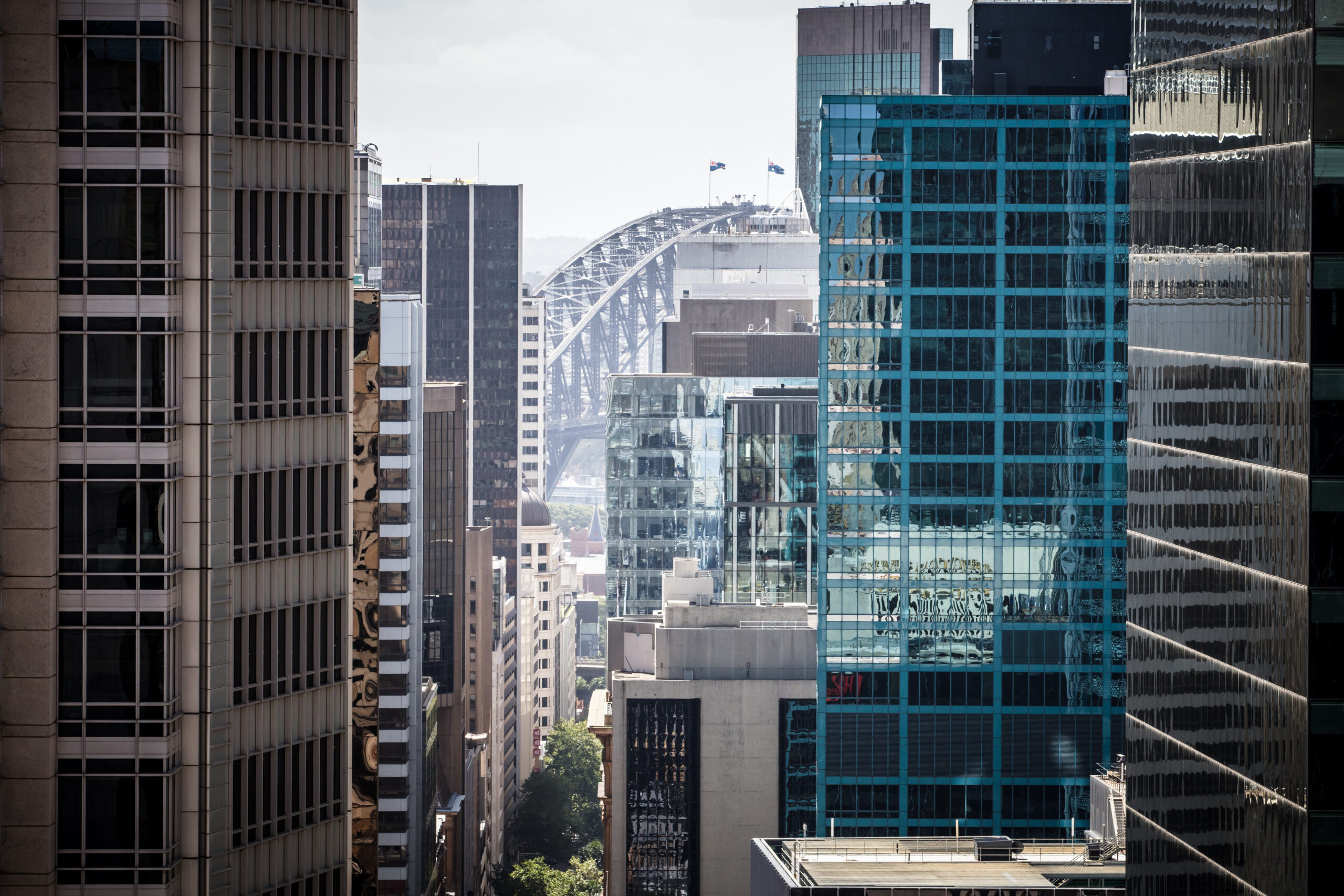
Why upgrades will define the next decade
For a long time, commercial buildings were seen as capital assets. You designed them, built them, leased them out, and then expected them to hum away quietly in the background. If the lights stayed on and the air conditioning kept people cool, the job was done.
But in my 19 years in this industry, I’ve seen that mindset shift completely.
Over the next ten years, the buildings that succeed won’t just be the ones that looked great on opening day. They will be the ones that actually work well, stay flexible, and keep supporting tenants long after the initial handover.
Today, things like energy bills, tenant comfort, and reliability aren’t just technical details, they are the main event. In reality, a building is a lot more like an operating business than a static product. And like any business, its long-term health depends on how well it’s set up to perform over time.
This change is being driven by practical reality, not just ideas. Costs are up, expectations around sustainability (ESG) are tightening, and tenants have become a lot more selective. At the same time, most of our cities are filled with older buildings where a total knockdown-and-rebuild just doesn’t make financial sense.
Because of this, the biggest chance to build real value over the next decade is in the buildings we already have. Smart upgrades, well-planned maintenance (capex) programs, and high-quality “spec suites” are becoming the new standard.
At AGLK, we’ve found that performance and sustainability are basically two sides of the same coin. A building that runs well is, by its very nature, a more sustainable one.
This is also changing what it means to be a building services consultant. It’s no longer just about handing over a set of drawings. The real value is in helping owners make smart investment choices, figuring out the right order for upgrades, and designing systems that can handle three or four different tenants in the future without needing to be ripped out every time.
We approach projects with an “upgrade-first” mindset. That means choosing flexibility over making things needlessly complicated just for the sake of it. Most commercial buildings will go through dozens of changes in their lifetime, and the plumbing, electrical, and mechanical systems should be ready for that.
The truth is simple: most of the buildings that will be running in 2035 are already standing right now. Their future success depends on how we choose to adapt and manage them today.
Owners who treat their buildings like businesses (and invest strategically in how they perform) will be the ones who attract the best tenants and protect their value.
The question isn’t whether you need to upgrade; it’s about how smart you are in how you deliver those changes. When they’re done right, things like fit-outs and asset upgrades aren’t just a cost – they are an investment in a building that actually works. And in the next decade, performance is going to be everything.
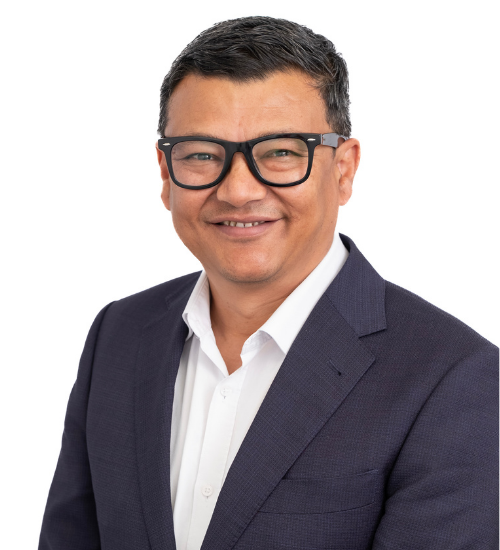
Binaya Karki
About the Author
Binaya Karki is a Director at AGLK with over 19 years of experience in the Australian building services industry. An accredited electrical engineer (CPENG, NER), Binaya has a proven track record of leading complex projects across the commercial, retail, and industrial sectors. He is passionate about practical engineering, energy management, and helping asset owners find cost-effective ways to future-proof their buildings.